





Lighting is one of the most misunderstood parts of filmmaking and content creation. For beginners, it often feels mysterious, overly technical, or reserved for big-budget film crews with expensive gear. But the truth is simple:
Lighting is not magic. It’s not random. And it’s definitely not about expensive equipment.
Lighting follows a system, and once you understand that system, lighting becomes predictable, controllable, and creative instead of intimidating. This guide breaks down a proven lighting framework you can use in any room, with almost any light, to create intentional, professional-looking results.
The 5 Characteristics of Light Every Creator Should Know
Every light you see in a movie, commercial, YouTube video, or brand shoot can be broken down into five characteristics:
-
Direction
-
Quality (Softness)
-
Color
-
Intensity
-
Cut and Shape
These characteristics should always be adjusted in this exact order. One of the biggest beginner mistakes is changing brightness first and trying to “fix it in camera.” Exposure comes after creative decisions, not before.
Let’s break each one down.
1. Lighting Direction: The Foundation of Every Setup
Lighting direction refers to where the light is coming from relative to your subject, and it’s the single most important decision you’ll make when lighting a scene.
Before adjusting brightness or color, always start by asking:
-
Where is the light coming from?
-
What emotion or feeling does it create?
Lighting direction defines mood, depth, and dimensionality. It determines how shadows fall across a face, how much contrast exists in the frame, and how separated your subject feels from the background. A small change in direction can completely transform the look and emotional impact of a shot.
This decision should always come first because it’s also the hardest thing to change later. Once lights, modifiers, and camera placement are set, adjusting direction usually means rebuilding the setup from scratch.
As a general rule, lighting placed higher and angled downward feels more natural, since we’re accustomed to light coming from above, like the sun or overhead fixtures. That said, lighting doesn’t need to be realistic to work. What matters is whether it feels emotionally right for the scene.
One helpful way to study lighting direction is by watching the shadows, especially the shadow under the nose. That single detail often reveals exactly where the key light is coming from.
It’s also important to remember that lighting is dynamic. A single light can act as a key light, side light, or backlight depending on where a subject stands or how they move. As actors shift positions, the lighting relationship changes, which is why blocking and lighting are inseparable.
Cinematography isn’t about perfectly recreating reality, it’s about interpreting it in a way that supports the story. If the lighting feels right emotionally, the audience will accept it without questioning where the light “should” be coming from.

2. Light Quality: Soft vs. Hard Light
Light quality refers to how soft or hard the light appears, which is defined by how sharp or gradual the shadow edges are.
-
Hard light: Sharp shadows, high texture, dramatic
-
Soft light: Gentle shadows, smooth transitions, flattering for skin
What Controls Softness?
Softness is determined by the size of the light relative to the subject, not the light itself.
-
Larger light sources = softer light
-
Smaller light sources = harder light
-
Distance matters
-
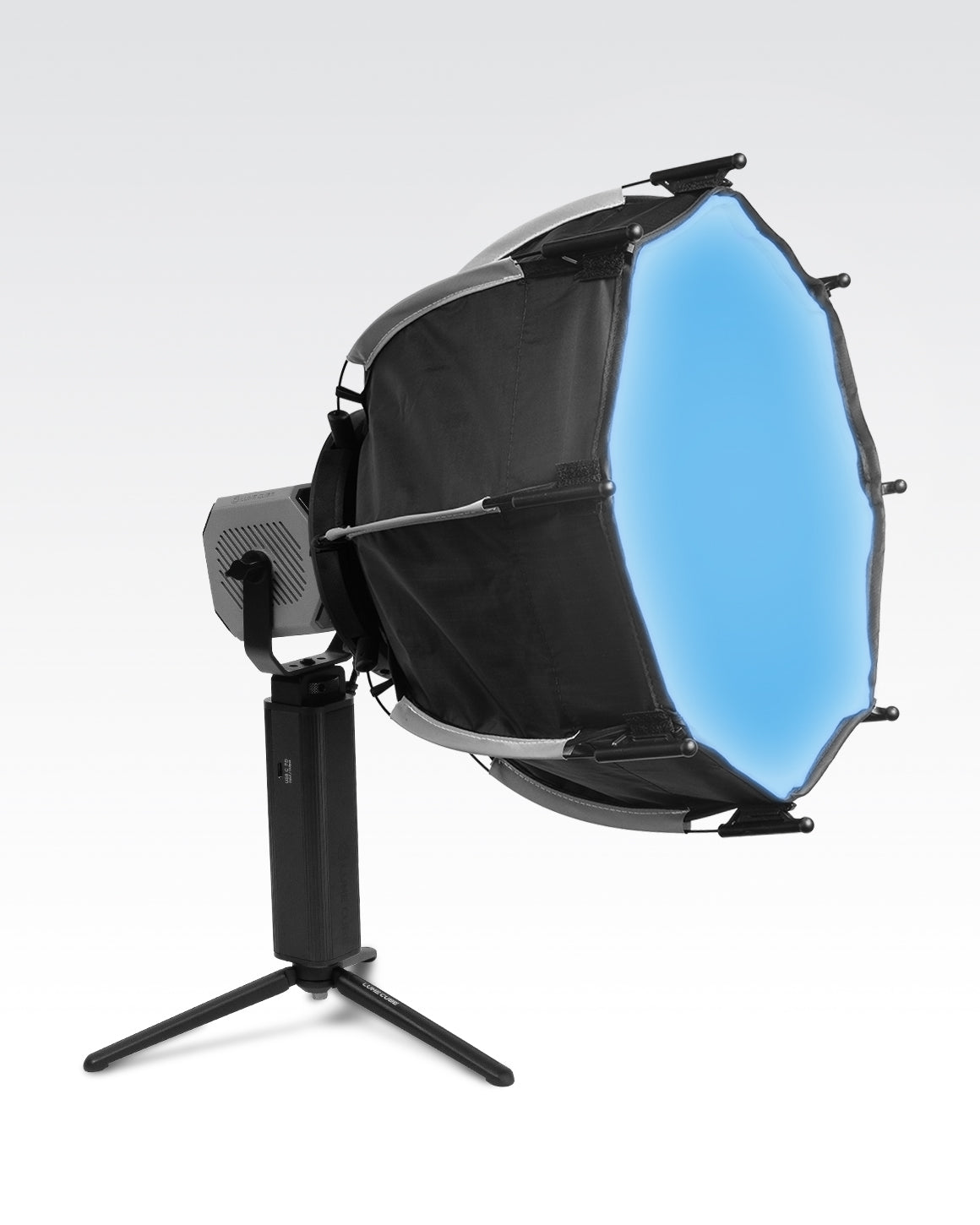
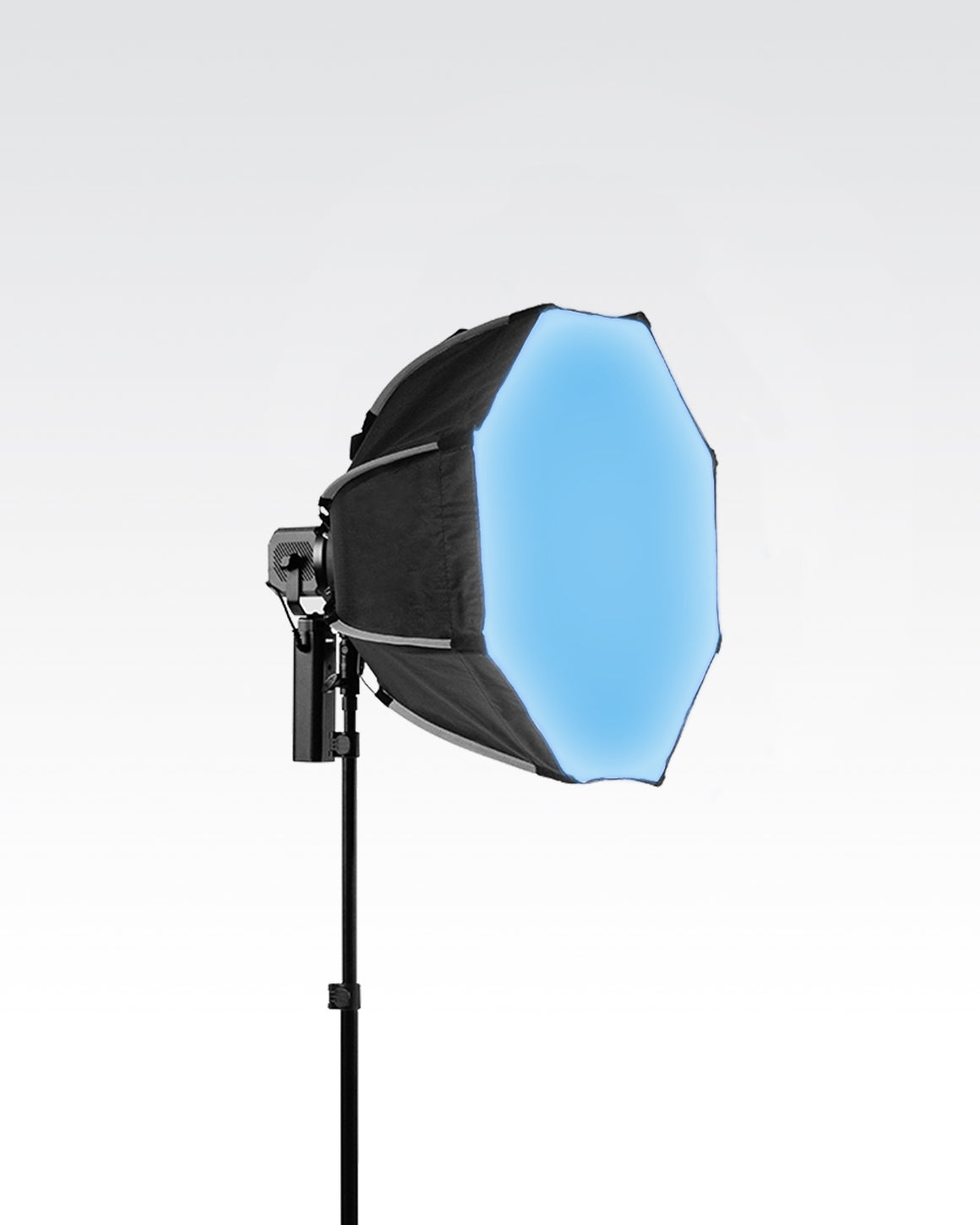
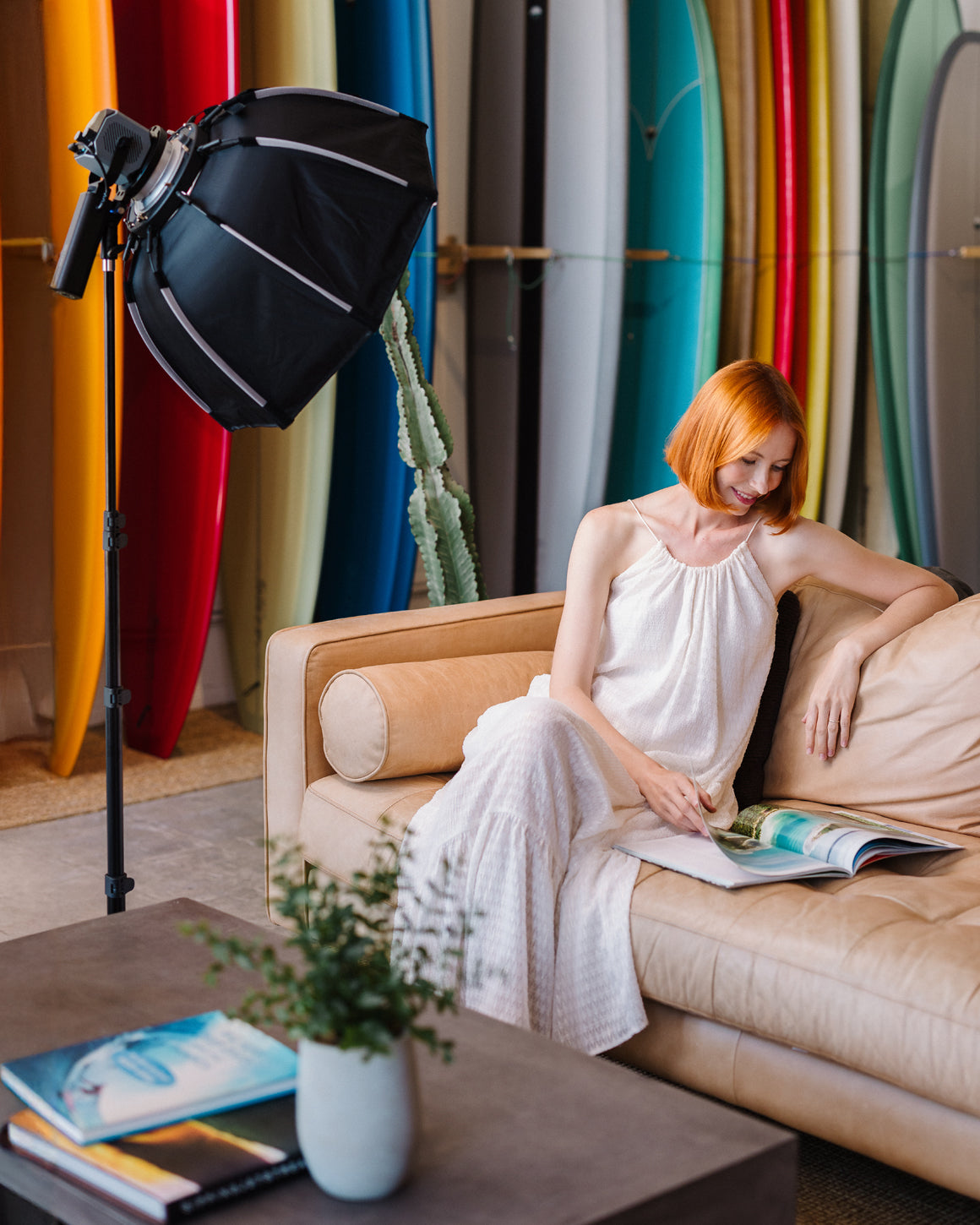
Diffusion increases softness by effectively enlarging the light source
Soft light is generally more forgiving and is ideal for interviews, brand videos, and talking-head content.
Hard Lighting Example:

Soft Lighting Example:

3. Light Color: Creating Mood With Color Temperature
Light color comes from:
-
Color temperature (Kelvin)
-
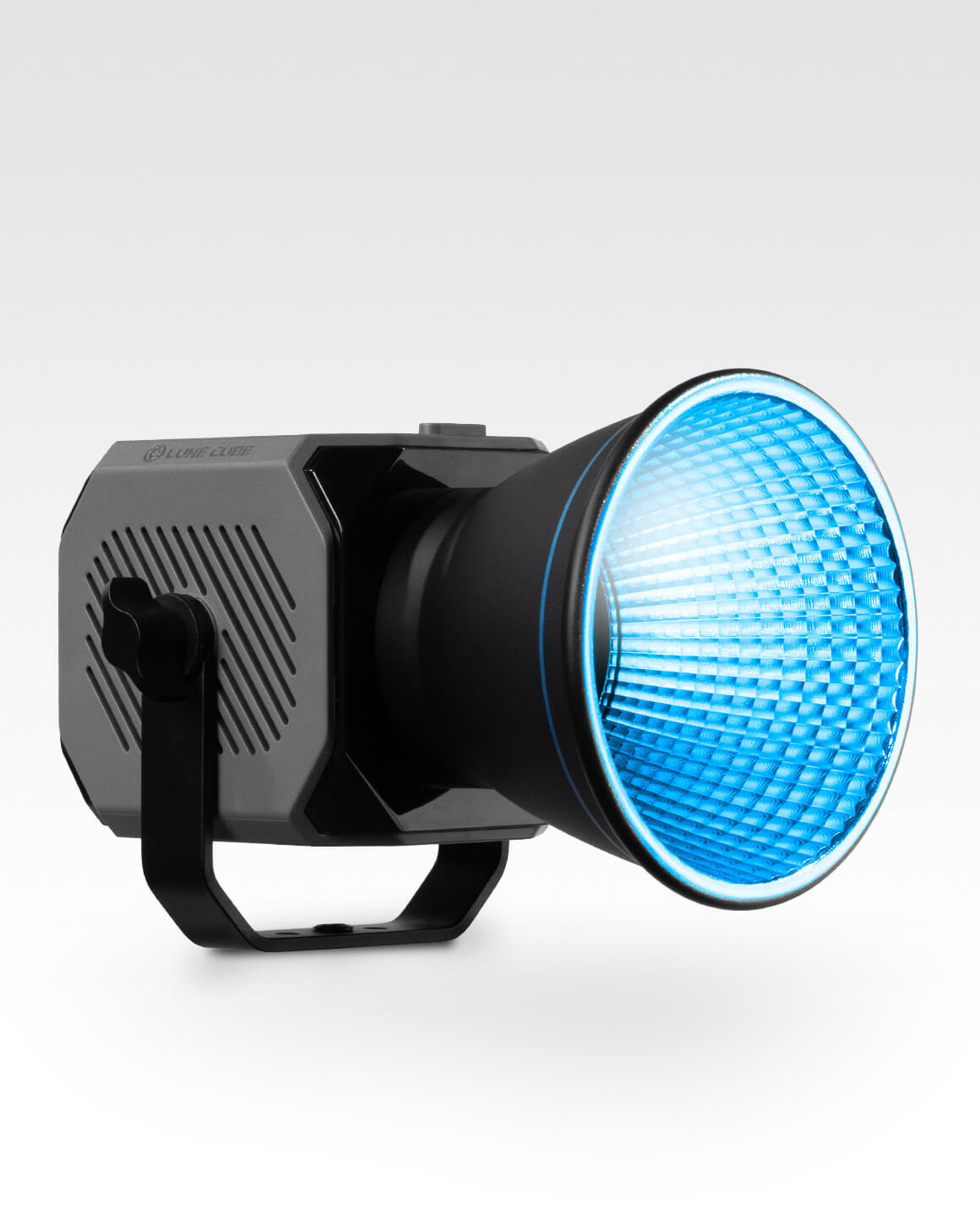
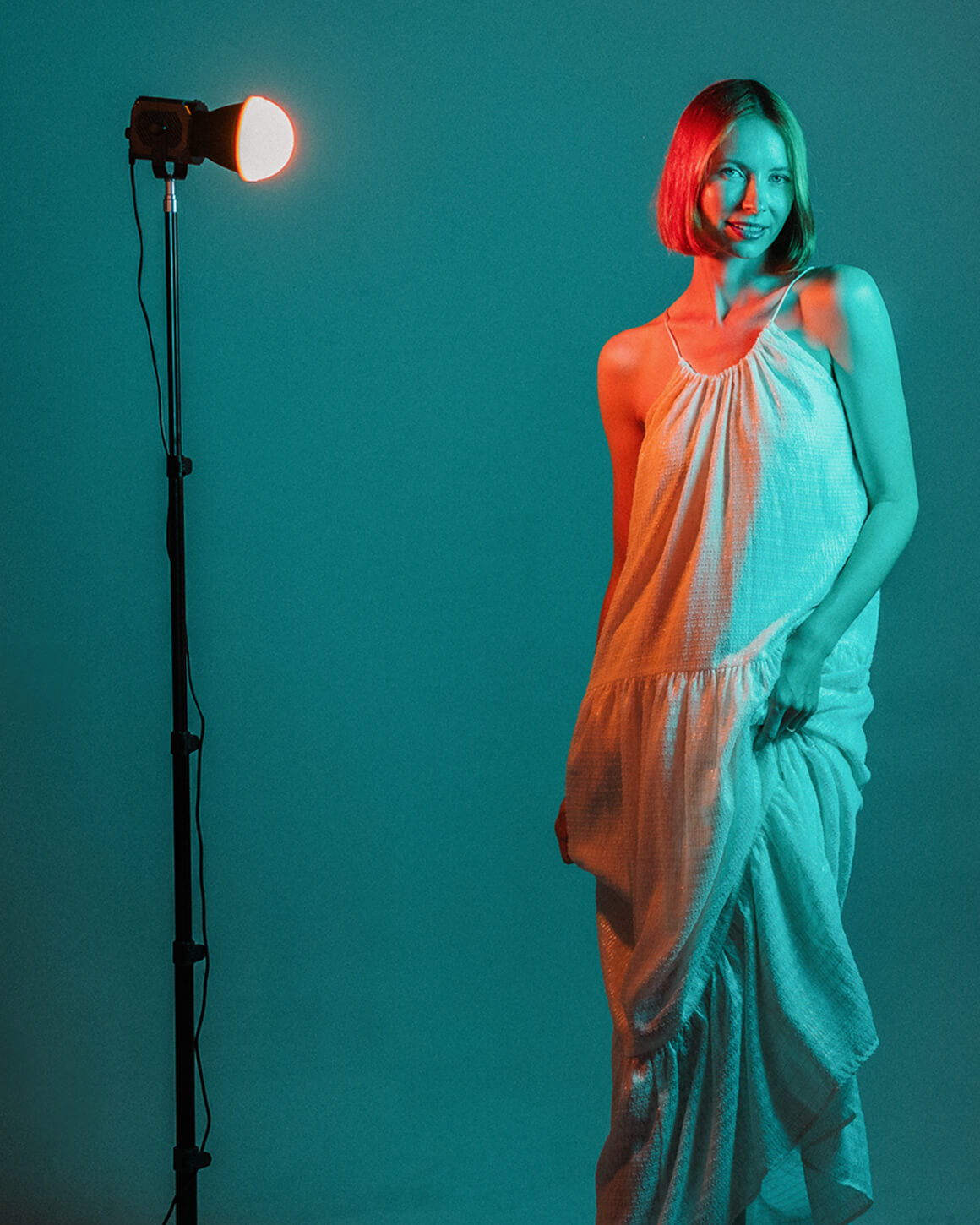
RGB lighting or gels
Lower Kelvin values appear warmer, while higher values appear cooler. Matching your camera’s white balance to your key light creates a neutral look. Intentionally mismatching these settings allows you to simulate time of day, mood, and environment.
RGB lighting and gels offer creative flexibility but reduce brightness, which is why intensity adjustments come later.


4. Light Intensity: Contrast Over Brightness
Intensity is simply brightness, but creatively, contrast matters more than exposure.
Key concepts:
-
Key-to-fill ratio controls facial contrast
-
Foreground-to-background contrast controls separation
-
A one-stop difference is subtle
-
A three-to-four-stop difference is dramatic
Fill light should feel ambient, not directional. You can also use negative fill to remove unwanted light and deepen shadows naturally.

5. Cut and Shape: Refining the Light
Cut and shape is where lighting becomes polished and intentional.
Tools like flags, cutters, toppers, grids, etc. allow you to shape light and control spill. Always place flags after diffusion, not before. The farther a flag is from the light source, the cleaner the cut will be.
Lighting Is About Decisions - Not Gear
This lighting framework works on big film sets and in small home studios. Whether you’re using a single affordable LED or a full lighting kit, the principles stay the same.
Lighting isn’t about the gear you own. It’s about the decisions you make.
Once you understand direction, quality, color, intensity, and cut (and work through them in the right order), you’ll light faster, cleaner, and with far more confidence.
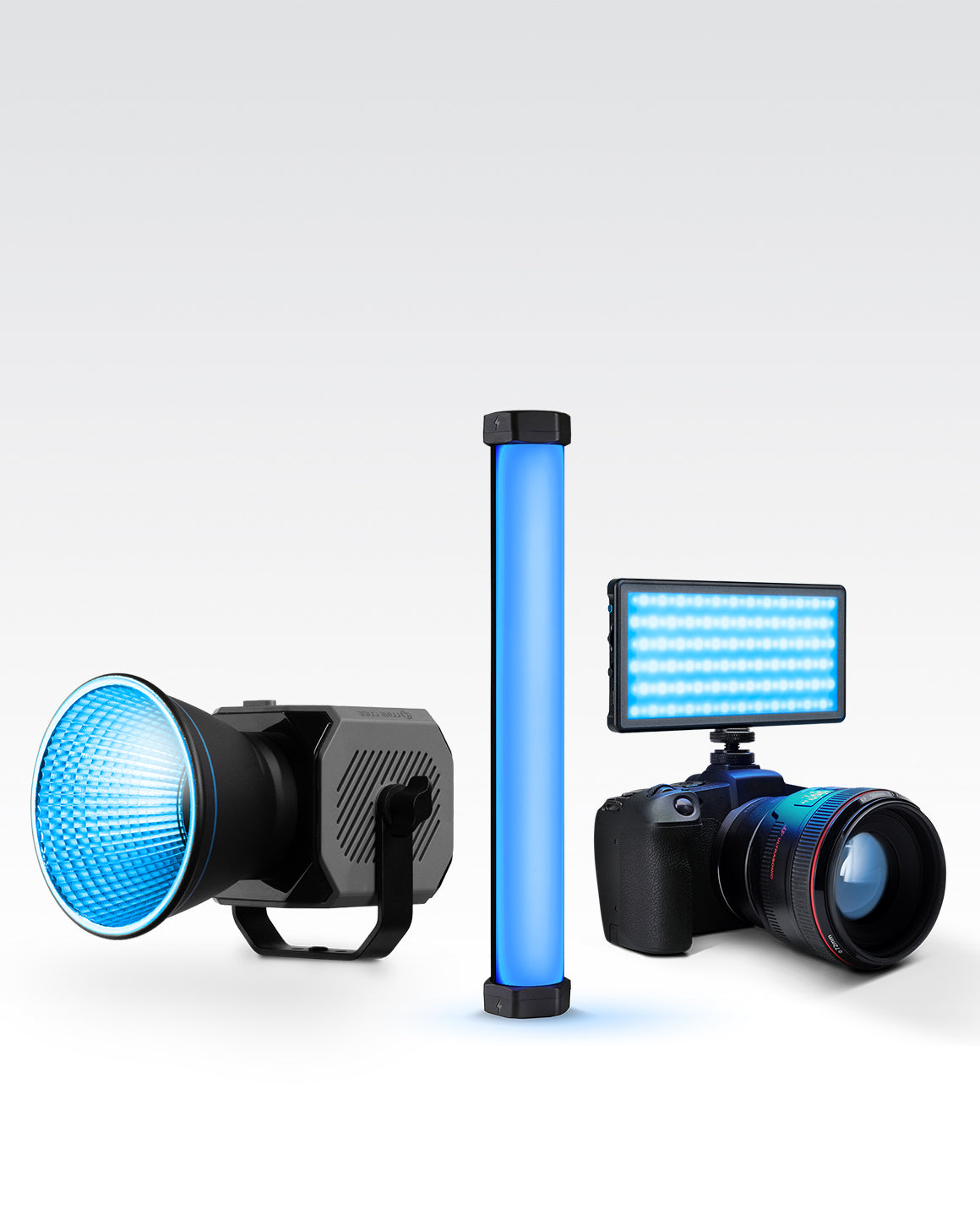
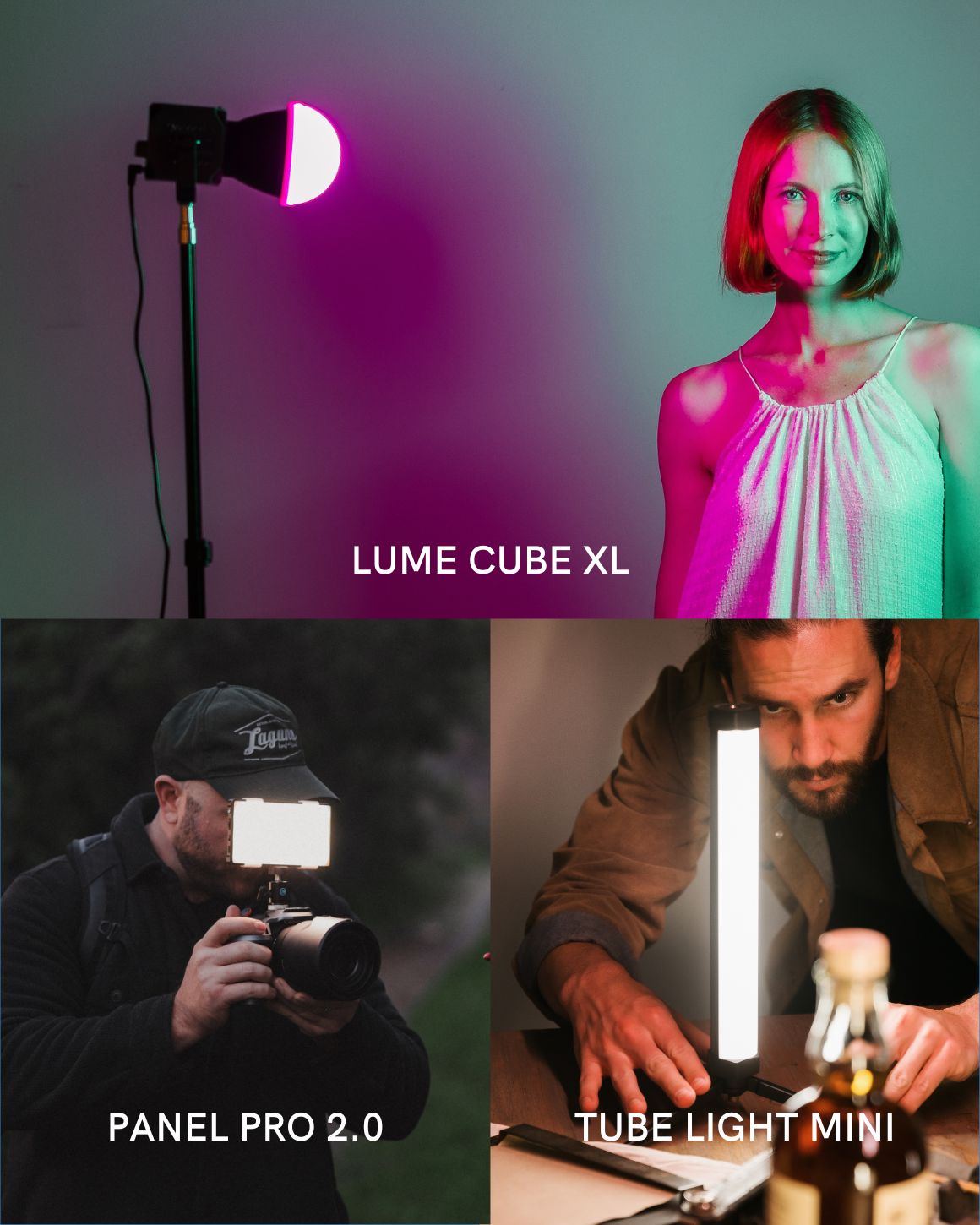
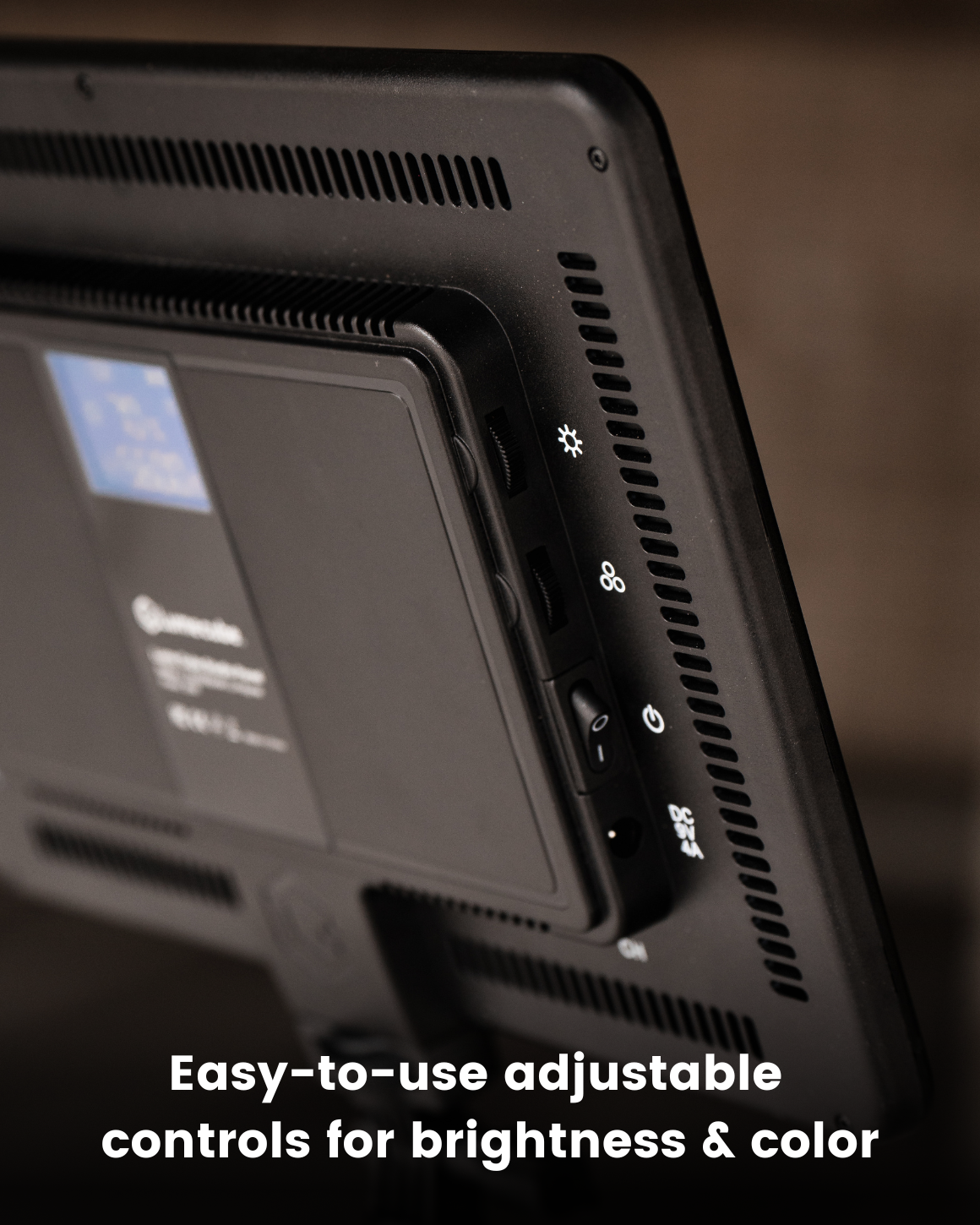
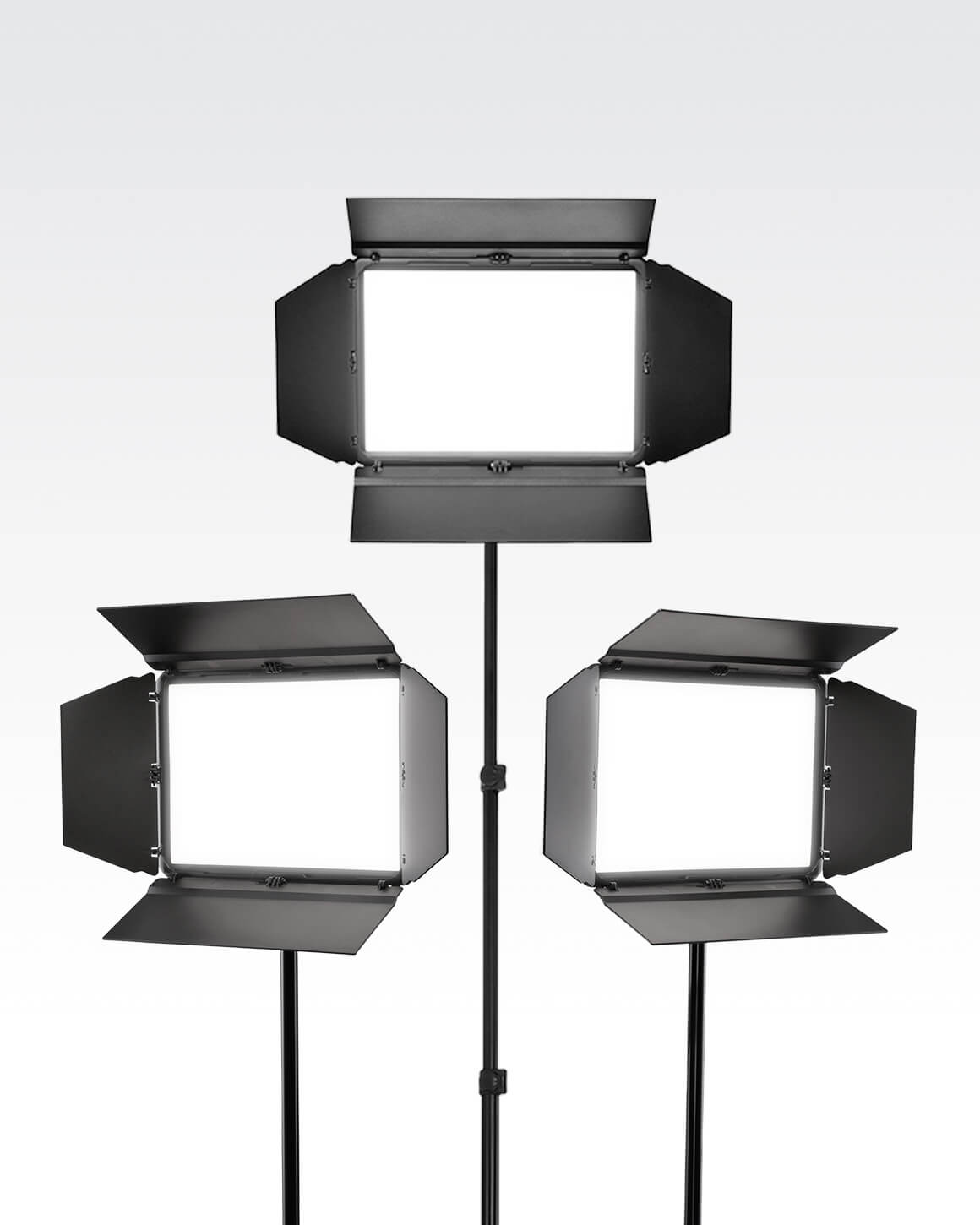
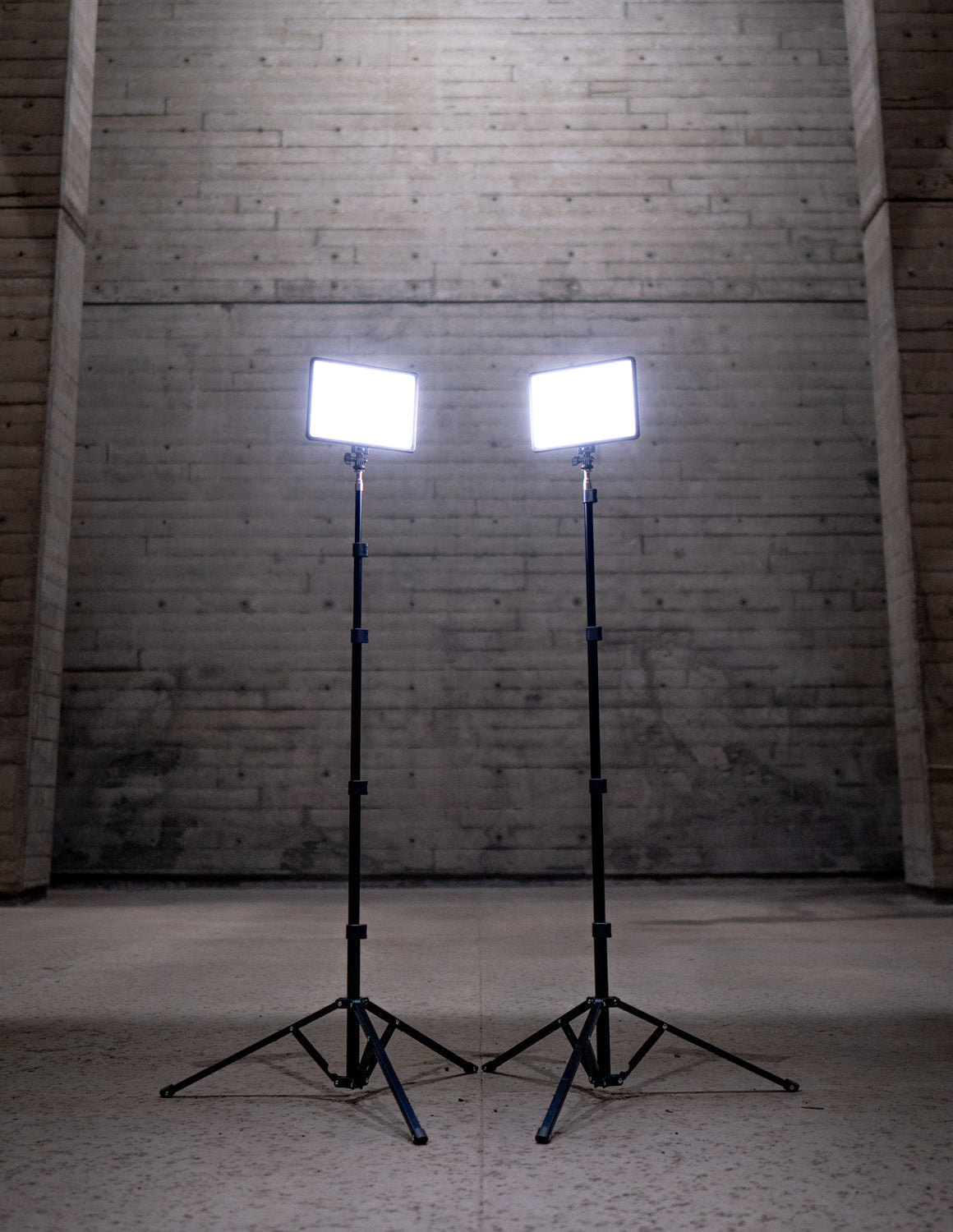
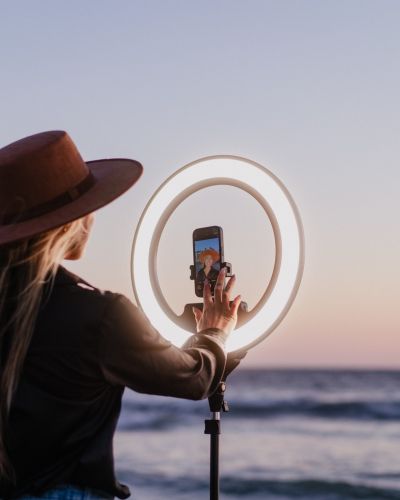
If you’re looking to build a flexible lighting setup without breaking the bank, compact LED lights like Lume Cube’s portable lighting solutions are designed to give creators control over all five lighting characteristics, making professional results achievable anywhere.